Innovative Healthcare Access for Underserved in Africa: Improving Healthcare Access in Africa
- ochadpaf
- Aug 3
- 3 min read
Access to quality healthcare remains a significant challenge for many communities across Africa. In rural areas, especially, the lack of medical facilities, trained personnel, and essential medicines creates a barrier that leaves millions vulnerable. We believe that innovative solutions can change this reality. Together, we can build a future where healthcare is not a privilege but a right accessible to all.
The Challenge of Improving Healthcare Access in Africa
Healthcare in rural Africa faces many obstacles. Distance to clinics, poor infrastructure, and limited resources make it difficult for people to receive timely care. Many communities rely on traditional medicine or delay seeking help until conditions worsen. This delay often leads to preventable deaths and chronic illnesses.
We see these challenges every day. Roads are rough, clinics are understaffed, and medical supplies run out quickly. The burden of diseases like malaria, HIV/AIDS, and tuberculosis remains high. Mothers and children suffer the most, with high rates of maternal and infant mortality.
To improve healthcare access in Africa, we must address these barriers head-on. We need solutions that are affordable, sustainable, and community-driven. This means empowering local people to take charge of their health and providing tools that fit their unique needs.

Innovative Approaches Transforming Healthcare Delivery
Innovation is key to overcoming healthcare challenges in underserved areas. Technology, community engagement, and new care models are making a difference.
Mobile Health Clinics: Bringing healthcare directly to remote villages reduces travel time and costs. These clinics offer vaccinations, screenings, and basic treatments.
Telemedicine: Using mobile phones and internet connections, patients can consult doctors remotely. This expands access to specialists and timely advice.
Community Health Workers: Training local volunteers to provide basic care and health education creates a trusted link between clinics and communities.
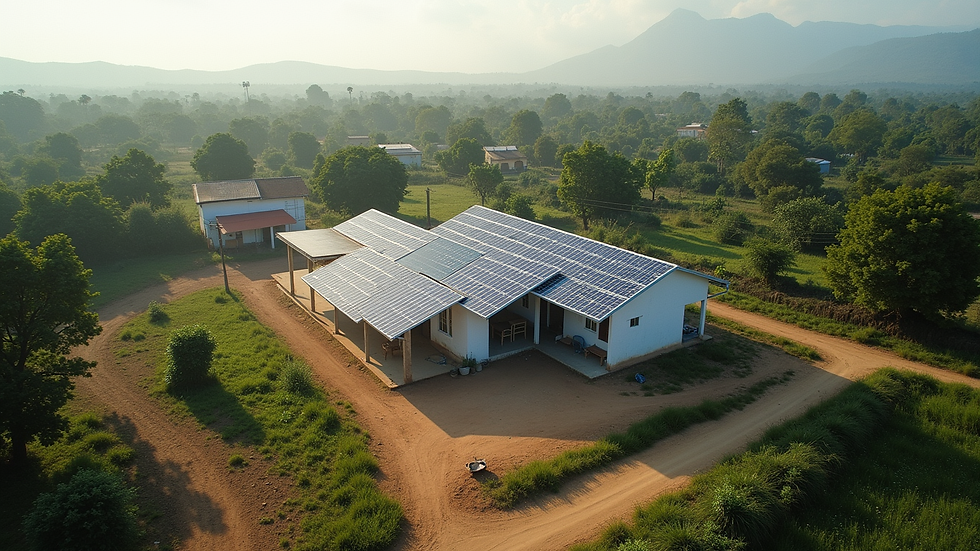
Solar-Powered Medical Equipment: Reliable power sources enable clinics to store vaccines safely and operate diagnostic tools.
Health Education Campaigns: Raising awareness about hygiene, nutrition, and disease prevention empowers people to protect themselves.
These innovations are not just ideas; they are already improving lives. For example, in Kilifi County, Kenya, community health workers equipped with smartphones connect patients to doctors hundreds of miles away. Mobile clinics visit villages on scheduled days, ensuring regular access to care.
Building Sustainable Healthcare Models
Sustainability is crucial. Short-term projects may help temporarily but do not solve the root problems. We must build healthcare systems that communities can maintain and grow.
Community Ownership: When locals manage health programs, they are more invested in success. This includes training, decision-making, and resource management.
Partnerships: Collaboration between governments, NGOs, and private sectors brings expertise and funding.
Data-Driven Decisions: Collecting health data helps identify needs, track progress, and allocate resources efficiently.
Affordable Services: Sliding scale fees or free care for the poorest ensure no one is left behind.
Local Supply Chains: Sourcing medicines and equipment locally reduces costs and supports the economy.
By focusing on these principles, we create healthcare systems that last. We see this approach working in Kilifi County, where a community-led model has reduced disease rates and improved health outcomes.
How We Can Support Underserved Healthcare Africa
We recognize the importance of supporting underserved healthcare africa through targeted actions. Here are practical steps we can take together:
Invest in Training: Support programs that train community health workers and nurses.
Expand Mobile Clinics: Fund and organize mobile health units to reach more villages.
Promote Telehealth: Improve internet access and provide devices for remote consultations.
Enhance Infrastructure: Build and maintain clinics with reliable power and water.
Engage Communities: Involve local leaders and residents in planning and implementation.
Advocate for Policy Change: Work with governments to prioritize rural healthcare funding.
Each step brings us closer to a future where no one is denied care because of where they live or their income. Together, we can empower communities to take control of their health.
A Vision for Health Independence in Africa
Our goal is clear: to foster long-term health independence across Africa, starting one village at a time. This vision means communities have the knowledge, resources, and systems to manage their health without constant external aid.
We imagine a continent where:
Children grow up healthy and strong.
Mothers receive safe prenatal and postnatal care.
Infectious diseases are controlled and prevented.
Health workers are respected and well-equipped.
Clinics are hubs of hope and healing.
Achieving this vision requires commitment, innovation, and compassion. It requires us to listen, learn, and act with the people we serve.
By supporting sustainable, community-led healthcare models, we can reduce the disease burden and unlock the potential of millions. This is not just a dream - it is a mission we share and a future we can build together.
We invite you to join us in this journey. Together, we can transform healthcare access in Africa and create lasting change for underserved communities. Every step forward is a step toward health, dignity, and hope.

Comments